Weighted Dips Guide: Form, Progression, Benefits & Programming

If your upper-body training has stalled, weighted dips might be the missing exercise in your programme.
Weighted dips are one of the most effective compound exercises for building pushing strength. They train your chest, triceps and shoulders simultaneously while challenging your core and upper-body stability. For many lifters, they also complement exercises like the bench press and overhead press by improving pressing strength through a large range of motion.
However, weighted dips aren't suitable for everyone. Like any exercise, good technique, sensible progression and appropriate programming are essential to get the benefits while minimising unnecessary stress on the shoulders.
This guide covers everything you need to know.
Key Takeaways
- Weighted dips develop the chest, triceps and anterior shoulders in one compound movement.
- Master bodyweight dips before adding external load.
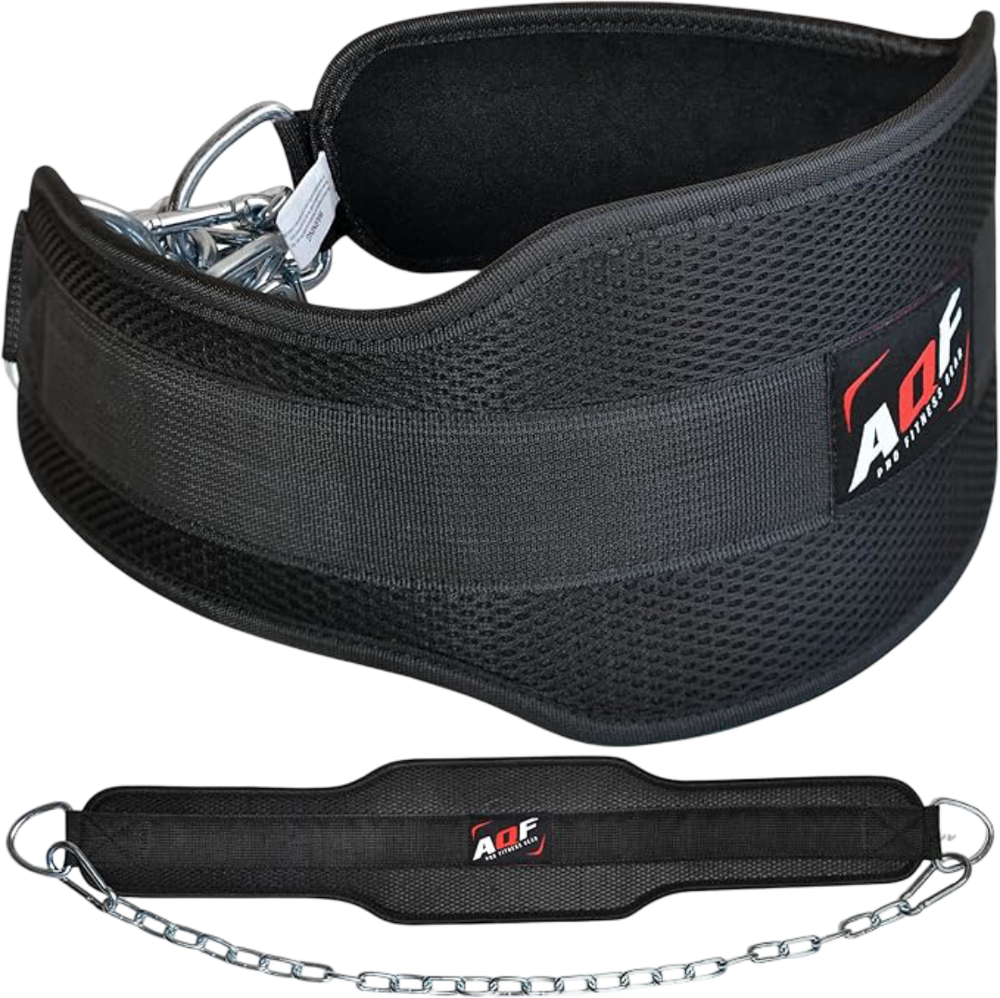
- Increase weight gradually using a dipping belt or weighted vest.
- For muscle growth, aim for 6–12 controlled repetitions.
- For strength, work mainly in the 3–6 rep range.
- Train weighted dips 1–3 times per week depending on your overall programme.
Why Include Weighted Dips in Your Training?
Compound exercises generally provide more training stimulus in less time than isolation exercises because they recruit multiple muscle groups simultaneously.
Weighted dips are particularly effective because they combine:
- Shoulder extension
- Elbow extension
- Core stabilisation
- Scapular control
The primary muscles involved include:
- Pectoralis major
- Triceps brachii
- Anterior deltoids
Supporting muscles include:
- Serratus anterior
- Rhomboids
- Rotator cuff
- Core musculature
This combination makes weighted dips valuable for both strength athletes and anyone looking to build upper-body muscle efficiently.
Do Weighted Dips Build Muscle?
Yes.
Like other compound pressing movements, weighted dips allow progressive overload while placing the chest and triceps under significant mechanical tension.
The deep range of motion also places the working muscles under stretch, which research suggests may contribute positively to muscle growth when combined with sufficient training volume and effort.
Although weighted dips shouldn't replace every pressing exercise, they are an excellent addition to a balanced upper-body programme.
Are Weighted Dips Safe?
For most healthy lifters, yes.
Problems usually arise from:
- Adding weight too quickly
- Using excessive range of motion
- Losing shoulder control
- Performing repetitions too quickly
If you already experience shoulder pain or cannot perform bodyweight dips comfortably, it is better to address those issues before progressing to weighted variations.
The goal is controlled movement—not simply adding more plates.
How to Perform Weighted Dips Correctly
1. Master Bodyweight Dips First
Aim to perform at least 8–10 clean bodyweight repetitions before introducing additional weight.
2. Choose Your Loading Method
Most lifters use either:
- A dip belt (ideal for heavier loading)
- A weighted vest (good for lighter loads and functional training)
Dip belts generally provide greater loading capacity and freedom of movement.
3. Hand Position
Grip the bars slightly wider than shoulder-width.
Avoid excessively wide grips, which may place unnecessary stress on the shoulders.
4. Body Position
Lean slightly forward throughout the movement.
This encourages greater chest involvement while maintaining a natural pressing path.
5. Lower Under Control
Descend slowly until you reach a comfortable depth while maintaining shoulder control.
For many lifters, this means the upper arms reach approximately parallel with the floor, although individual mobility will influence range of motion.
Avoid bouncing out of the bottom position.
6. Press Back Up
Drive through your hands while maintaining control.
Finish each repetition with full elbow extension without aggressively snapping into lockout.
7. Stay Stable
Keep your body steady throughout the movement.
Slight knee bend or crossed ankles are perfectly acceptable if they help maintain balance. The key is avoiding excessive swinging or momentum.
Common Weighted Dip Mistakes
Many problems come from technique rather than the exercise itself.
Common mistakes include:
- Adding weight before mastering bodyweight dips
- Descending too quickly
- Bouncing at the bottom
- Allowing the shoulders to roll excessively forward
- Using momentum to complete repetitions
- Choosing more weight than can be controlled
Good technique should always come before heavier loading.
How to Progress Weighted Dips
Once your technique is consistent, use progressive overload.
Linear Progression
- Increase the load by 2.5–5 kg once you complete your target repetitions comfortably.
- Ideal for beginners.
Double Progression
- Keep the same weight until you reach the top of your target rep range.
- Then increase the weight and repeat the process.
- Suitable for most intermediate lifters.
Periodised Progression
More experienced lifters may benefit from alternating heavier and lighter training weeks to manage fatigue while continuing to progress.
Programming Weighted Dips
Programming depends on your primary goal.
For Strength
- 3–5 sets
- 3–6 reps
- Rest 3–5 minutes
Focus on controlled, high-quality repetitions.
For Muscle Growth
- 3–4 sets
- 6–12 reps
- Rest 60–90 seconds
Prioritise full range of motion and consistent effort.
According to Strength Level data, the average weighted dip for male lifters is around 90 lb (approximately 40 kg) added beyond bodyweight. Use that as a reference point.
Weekly Frequency
Most lifters respond well to:
- 1–2 sessions per week alongside heavy pressing
or
- Up to 3 sessions if dips are a primary exercise and overall volume is managed appropriately.
Allow at least 48 hours before training the same muscle groups again.
Dip Belt or Weighted Vest?
Both are effective, but each suits different situations.
Choose a Dip Belt if:
- You regularly lift heavier loads
- Progressive overload is a priority
- You want unrestricted movement
Choose a Weighted Vest if:
- You perform bodyweight circuits
- You train outdoors
- You prefer evenly distributed weight
For dedicated weighted dips, most experienced lifters prefer a dip belt.
Frequently Asked Questions
Can beginners perform weighted dips?
Not immediately.
Develop good bodyweight dip technique first before introducing additional resistance.
Are weighted dips better than triceps pushdowns?
They serve different purposes.
Weighted dips are a compound exercise that develops strength and muscle across multiple joints.
Pushdowns isolate the triceps and work well as an accessory exercise.
Many effective programmes include both.
Do weighted dips damage your shoulders?
Not inherently.
Most shoulder discomfort results from poor technique, excessive loading, or attempting a range of motion that exceeds your current mobility.
Should I use a dip belt or a weighted vest?
If your goal is progressive strength training, a dip belt is usually the better choice because it allows heavier loading while keeping the weight centred below your body.
Final Thoughts
Weighted dips remain one of the most effective upper-body compound exercises for developing strength and muscle.
When performed with good technique and progressed gradually, they can improve pressing strength, develop the chest and triceps, and become a valuable part of almost any strength-training programme.
Start by mastering bodyweight dips, focus on controlled repetitions, and increase the load gradually. Pairing a quality dip belt with consistent training allows you to progress safely while making steady improvements over time.