Top Benefits of Training with a Boxing Speed Ball

If you are skipping the speed ball because you think it is only for show, you may be missing one of the most useful tools in boxing training.
A boxing speed ball, also called a speed bag, helps improve rhythm, shoulder endurance, coordination, and timing. These skills matter in both training and competition. While a heavy bag helps develop power, the speed ball helps you control your hands, keep them active, and stay sharp for longer rounds.
Used correctly, it can become an important part of both beginner and advanced boxing sessions. Boxing requires you to react fast to a changing environment. Recent data from 2025 indicates that consistent use of a speed bag can increase punch speed by up to 15% and significantly improve reaction times.
Key Takeaways
- A speed ball helps build shoulder endurance by keeping your hands active and raised.
- It improves hand-eye coordination and timing.
- It teaches rhythm and control rather than raw force.
- It supports relaxed, faster hand movement.
- It can be a useful low-impact addition to your boxing routine.
- A good setup, including the swivel and mounting height, can improve the training experience.
Why Speed Ball Training Is About Rhythm, Not Power
Many beginners think the speed ball should be hit as hard as possible. That usually leads to poor timing and broken rhythm.
The purpose of speed ball training is not power. It is rhythm.
When you hit the bag correctly, it rebounds off the board and returns in a predictable pattern. Once you start following that beat, your hands begin to move with more control. This can help make combinations feel smoother and more natural.
A few simple points make a big difference:
- Do not try to overpower the bag.
- Focus on the rebound pattern.
- Keep your movement controlled.
- Stay relaxed and breathe steadily.
Good rhythm often leads to better flow. In boxing, flow can help improve timing, accuracy, and confidence during combinations.
How Speed Ball Training Builds Shoulder Endurance
One of the biggest benefits of speed ball training is shoulder endurance.
Because the bag sits high, you must keep your hands up while striking it repeatedly. Over time, this trains the muscles that support your guard position. This matters because tired shoulders often lead to dropped hands, and dropped hands create openings.
This does not mean the speed ball replaces all conditioning work. But it is one of the most effective tools for helping boxers maintain upper-body activity over longer rounds.
A simple training goal for beginners is to work in short rounds while keeping the hands up throughout the drill. Even if the rhythm breaks, the posture and repetition still provide value.

How It Improves Hand-Eye Coordination
The speed ball moves quickly and rebounds in a fixed pattern. To hit it consistently, your eyes must track the motion and your hands must respond at the right time.
This helps develop:
- better timing
- sharper reactions
- improved focus
- more controlled hand placement
Regular speed bag practice is widely used in boxing gyms because it trains the connection between vision, timing, and movement. That makes it useful for beginners learning control and for experienced fighters refining precision.
It Teaches You to Stay Relaxed
A common mistake among beginners is trying to move too fast with too much tension.
Tight muscles usually make movement less efficient. The speed ball helps teach the opposite. It encourages you to stay loose, use small movements, and make contact with control.
This matters because fast hands do not come only from effort. They also come from relaxed movement, efficient mechanics, and proper timing.
When using the speed ball well, your arms stay active without becoming overly tense. That can help improve training quality and reduce unnecessary fatigue.
How to Use a Speed Ball for Beginners
If you are new to speed ball training, start simple.
1. Check the height
The widest part of the bag should usually sit around mouth or chin level.
2. Stand close and balanced
Keep your feet planted comfortably and stay square to the bag.
3. Use controlled contact
Do not swing wildly. Use short, compact motions.
4. Learn the rebound
Hit once and pay attention to the return. Let the bag come back into rhythm before forcing speed.
5. Build consistency first
Focus on smooth repetition before trying advanced combinations.
Beginners often improve faster when they work on control first. Speed usually follows.
Your Setup Matters More Than You Think
The quality of the setup can affect how easy or frustrating speed ball training feels.
A properly inflated bag, stable platform, and smooth swivel can make rebounds more consistent. This helps you develop rhythm faster and reduces unnecessary interruptions.
If the equipment is poor, the bag may feel awkward or unpredictable. That can make learning harder, especially for beginners.
If you are building a home gym, it is worth paying attention to:
- bag size
- swivel quality
- mounting stability
- correct height adjustment
Good equipment does not replace practice, but it does support better training.
Frequently Asked Questions
Do I need gloves for speed ball training?
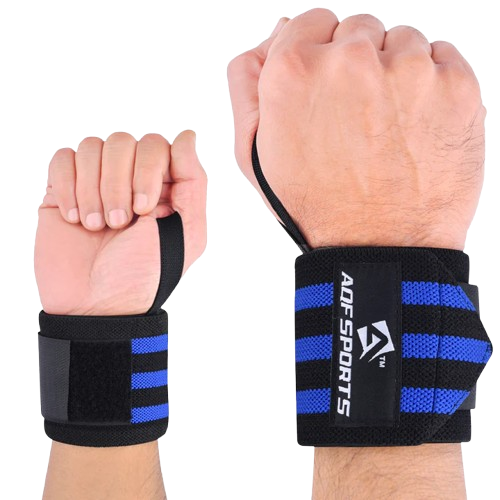
Not always. Many people use hand wraps or light bag gloves. The goal is comfort and control rather than heavy protection.
How long should I train on the speed ball?
Beginners can start with 2 to 3 rounds of 2 to 3 minutes. As control improves, the duration can be increased.
Is a speed ball good for beginners?
Yes. It can be very useful for beginners because it helps develop timing, coordination, and rhythm early in training.
Does a speed ball replace a heavy bag?
No. Both tools serve different purposes. A heavy bag supports power and impact work, while a speed ball supports rhythm, endurance, and coordination.
What is the difference between a speed ball and a speed bag?
In many cases, people use the terms interchangeably. “Speed bag” is more common in some markets, while “speed ball” is often used in the UK.
Conclusion
The benefits of training with a boxing speed ball go beyond simple hand speed.
It can help improve rhythm, shoulder endurance, coordination, and control. It also teaches an important boxing skill that many beginners overlook: staying relaxed while keeping the hands active.
Whether you train in a gym or are setting up your own space at home, a well-fitted speed ball setup can be a valuable part of your routine. Start slowly, focus on rhythm, and let consistency build the results.